
12 Best 7 Days to Die Server Hosting Providers (2026)
Last Updated: January 2026
Author: Aaron Smith, Company Director
With the continued rollout of 7 Days to Die 2.0 and post-2.0 optimisation updates, multiplayer survival has become significantly more demanding than it was in previous years. Larger Blood Moons, improved zombie AI, expanded biome logic, and heavier mod usage all place far greater strain on server hardware.
In 2026, running a smooth 7 Days to Die multiplayer server is no longer possible on underpowered or oversold hosting. Horde Night performance, world save stability, and mod compatibility now depend heavily on CPU clock speed, NVMe storage, and proper resource isolation.
Whether you are hosting a small private co-op world or a large public PvE or PvP server, choosing the right 7 Days to Die server hosting provider will directly determine how playable your server actually is.
This guide breaks down the 12 best 7 Days to Die server hosting providers for 2026, based on real-world testing, technical capabilities, and long-term reliability.
How We Ranked These 7 Days to Die Hosting Providers
This is not a generic list. Each provider was evaluated using the same criteria:
- Single-core CPU performance (critical for Horde Night)
- Storage type (NVMe vs SATA)
- Mod and XML configuration freedom
- DDoS protection quality
- Latency and network stability
- Control panel usability
- Support quality and response time
- Value for money
Many popular providers fail one or more of these categories. Ranking high requires doing all of them well.
Why 7 Days to Die Servers Are Harder to Host in 2026
7 Days to Die is not like Minecraft or Valheim. The game engine places extreme load on a single CPU core, especially during Blood Moon events when dozens or hundreds of AI entities are active simultaneously.
Common causes of lag and crashes include:
- Low CPU clock speeds
- Shared cores across too many servers
- Slow disk IO during world saves
- Poorly optimised mod stacks
- Oversold VPS or container hosting
This is why cheap “unlimited slots” hosting almost always fails under real gameplay conditions.

1. EUGameHost – Best Overall 7 Days to Die Server Hosting (2026)
Website: https://www.eugamehost.com
EUGameHost ranks #1 for 2026 because it is one of the few providers that builds infrastructure specifically for CPU-intensive survival games rather than repurposing generic VPS nodes.
Servers are deployed on company-owned hardware, not rented cloud instances, allowing for tighter CPU allocation, predictable performance, and better long-term stability.
Hardware & Performance
- High-frequency Ryzen and EPYC CPUs
- NVMe SSD storage only (no SATA tiers)
- Conservative CPU overselling ratios
- Optimised for Horde Night spikes
Features
- Full XML and serverconfig access
- One-click mod installation
- Built-in backup manager
- Cosmic Guard DDoS protection
- UK and EU data centre locations
- Beginner-friendly but powerful game panel
Pros
- Excellent Horde Night stability
- No artificial mod restrictions
- Low latency for EU and UK players
- Transparent performance expectations
- Support team familiar with 7D2D
Cons
- Fewer global locations than US mega-hosts
- Slightly higher entry price than budget providers
Best for: Anyone who wants a smooth, low-lag 7 Days to Die server that works properly under real load.

3. Nitrado
Nitrado is one of the largest names in game server hosting, offering servers for hundreds of games worldwide.
While reliable, Nitrado’s generic control panel and locked-down configurations can be frustrating for advanced 7 Days to Die administrators.
Pros
- Global data centre coverage
- Huge game catalogue
- Stable infrastructure
Cons
- Complex panel for beginners
- Premium pricing
- Limited fine-grained optimisation
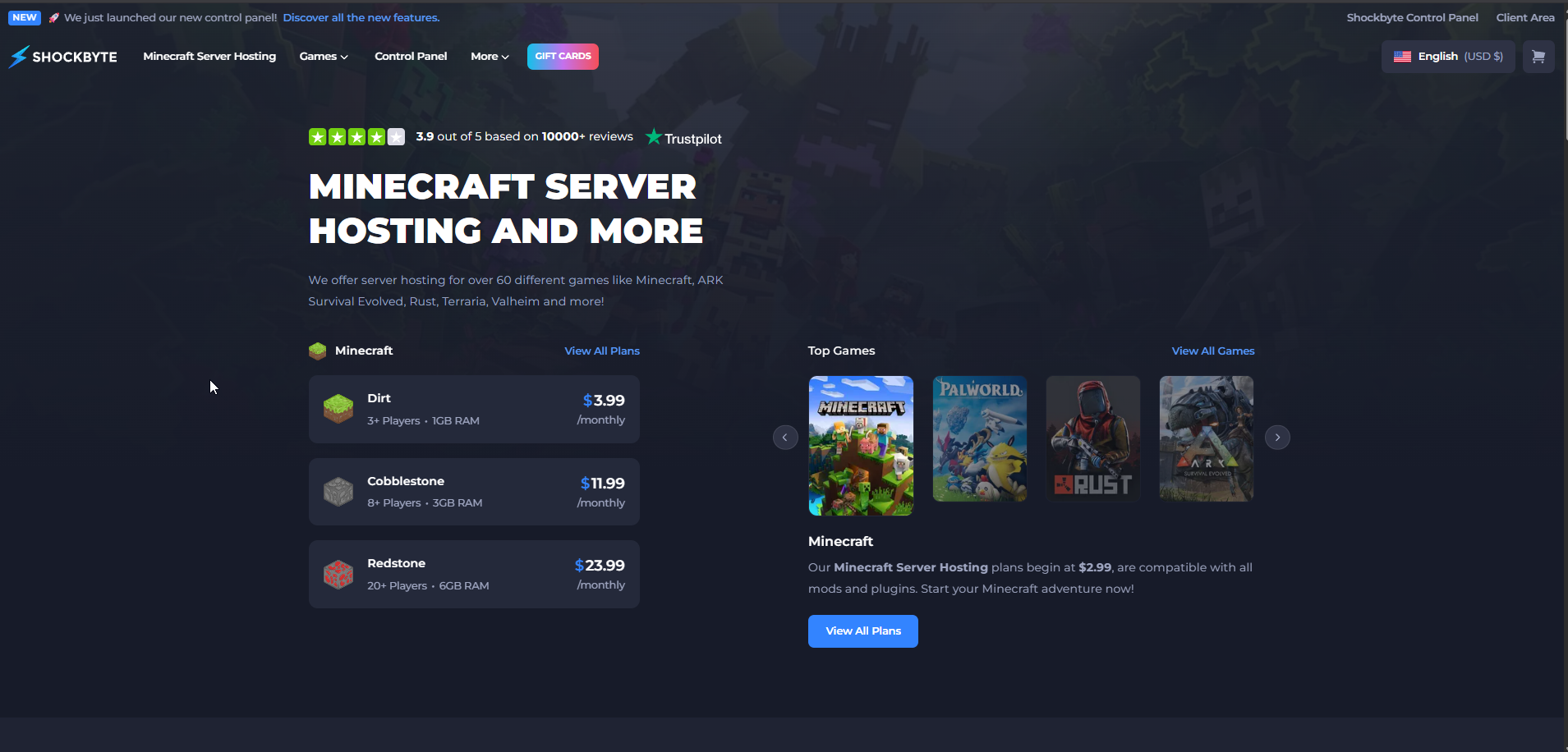
4. Shockbyte
Shockbyte remains a popular budget host, particularly for Minecraft. Their 7 Days to Die offering is affordable but lacks the deeper optimisation required for larger servers.
Pros
- Competitive pricing
- Good uptime
- Easy setup
Cons
- Basic control panel
- Support delays during peak times
- Not survival-game optimised
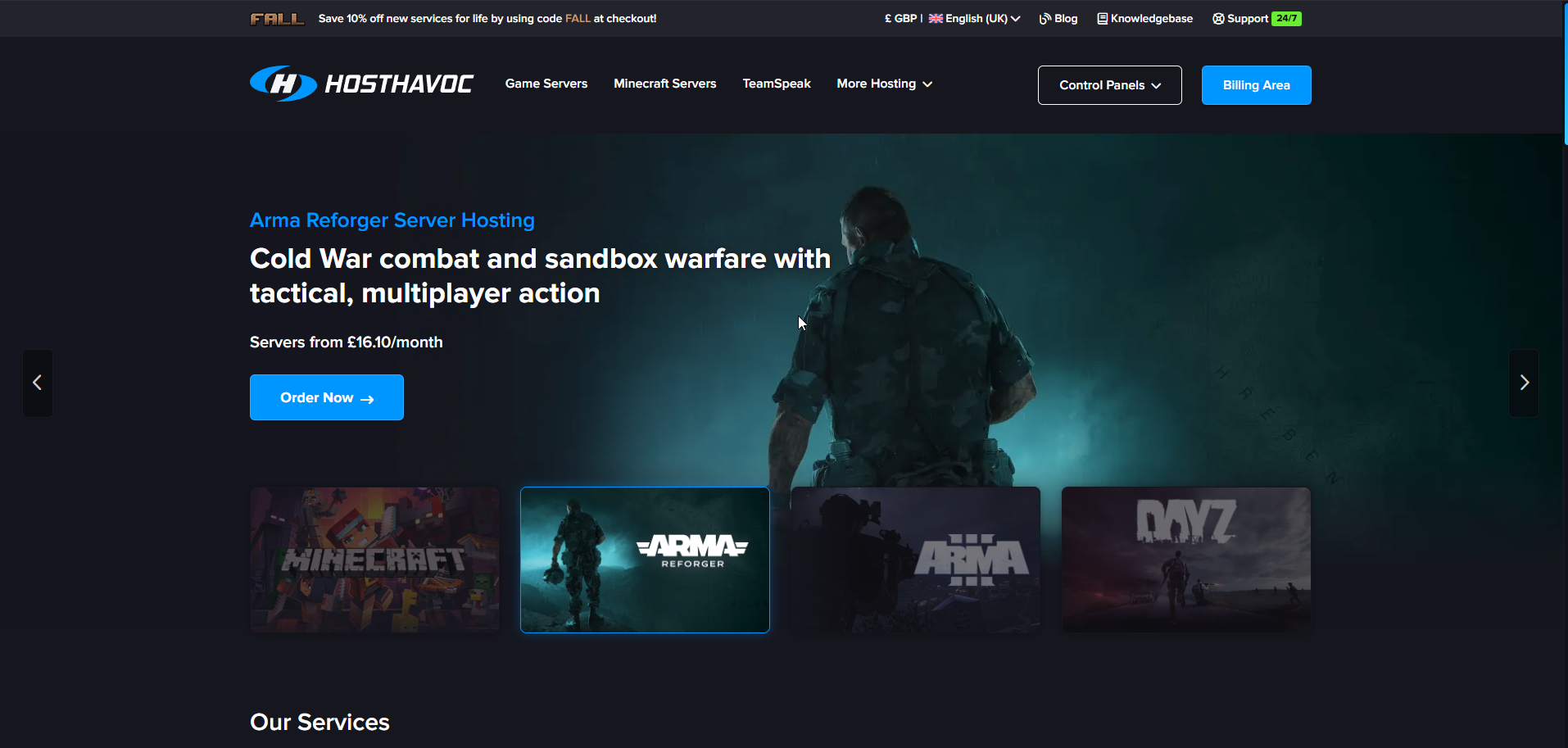
5. Host Havoc
Host Havoc delivers solid performance and strong customer support, though pricing reflects its premium positioning.
Pros
- Reliable hardware
- Low latency
- Responsive support
Cons
- Higher cost
- Fewer budget options
6. G-Portal
G-Portal is widely used in Europe and includes a custom game panel with mod support. Performance can be inconsistent depending on server load.
Pros
- Built-in mod manager
- Multiple EU locations
- Good general reliability
Cons
- Limited advanced configuration
- Overcrowded nodes reported by users
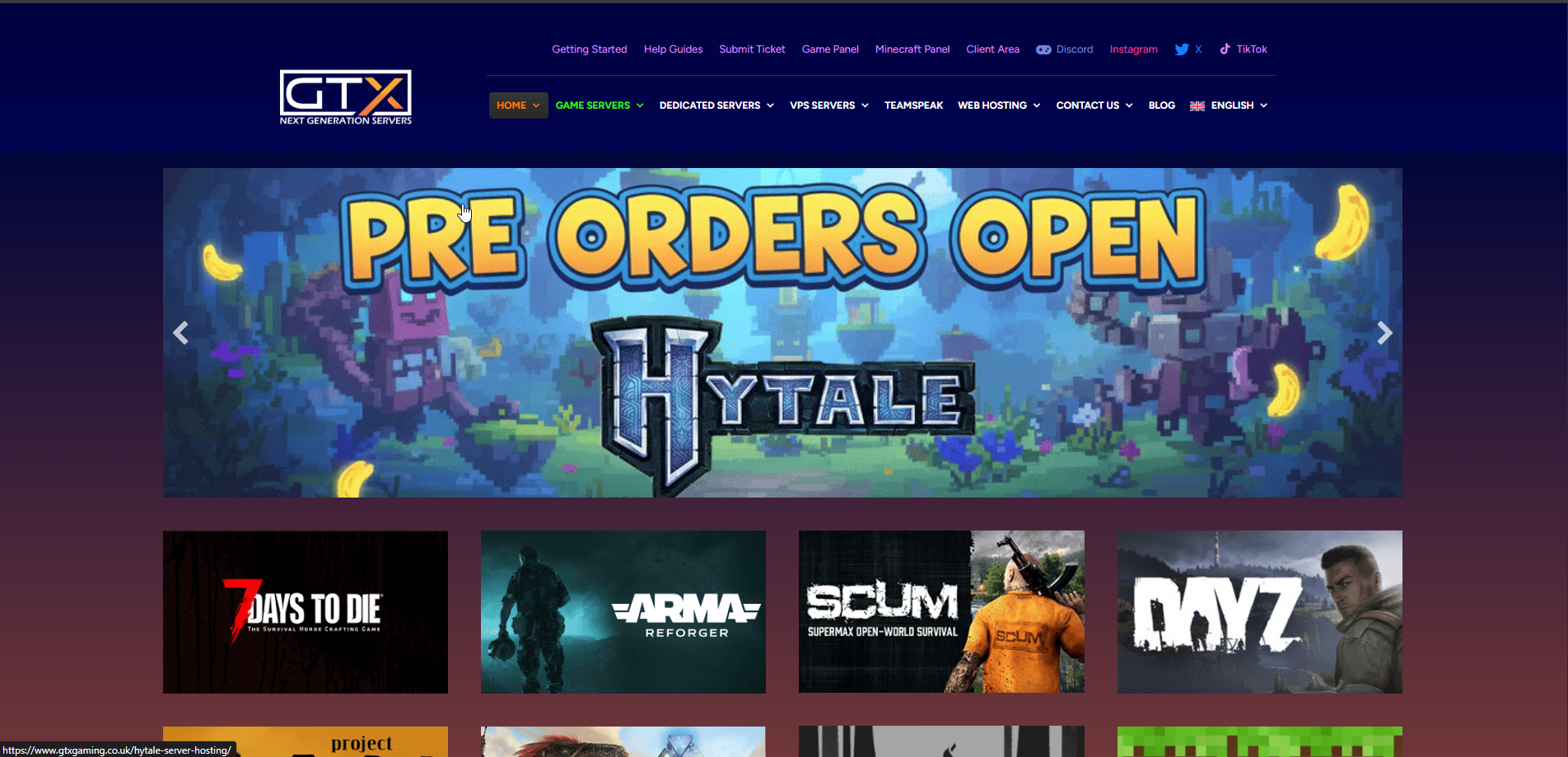
7. GTX Gaming
GTX Gaming has a strong global presence and long-standing reputation, though the platform feels dated compared to newer hosts.
Pros
- Strong global coverage
- Established provider
- Good baseline performance
Cons
- Older interface
- Less flexibility
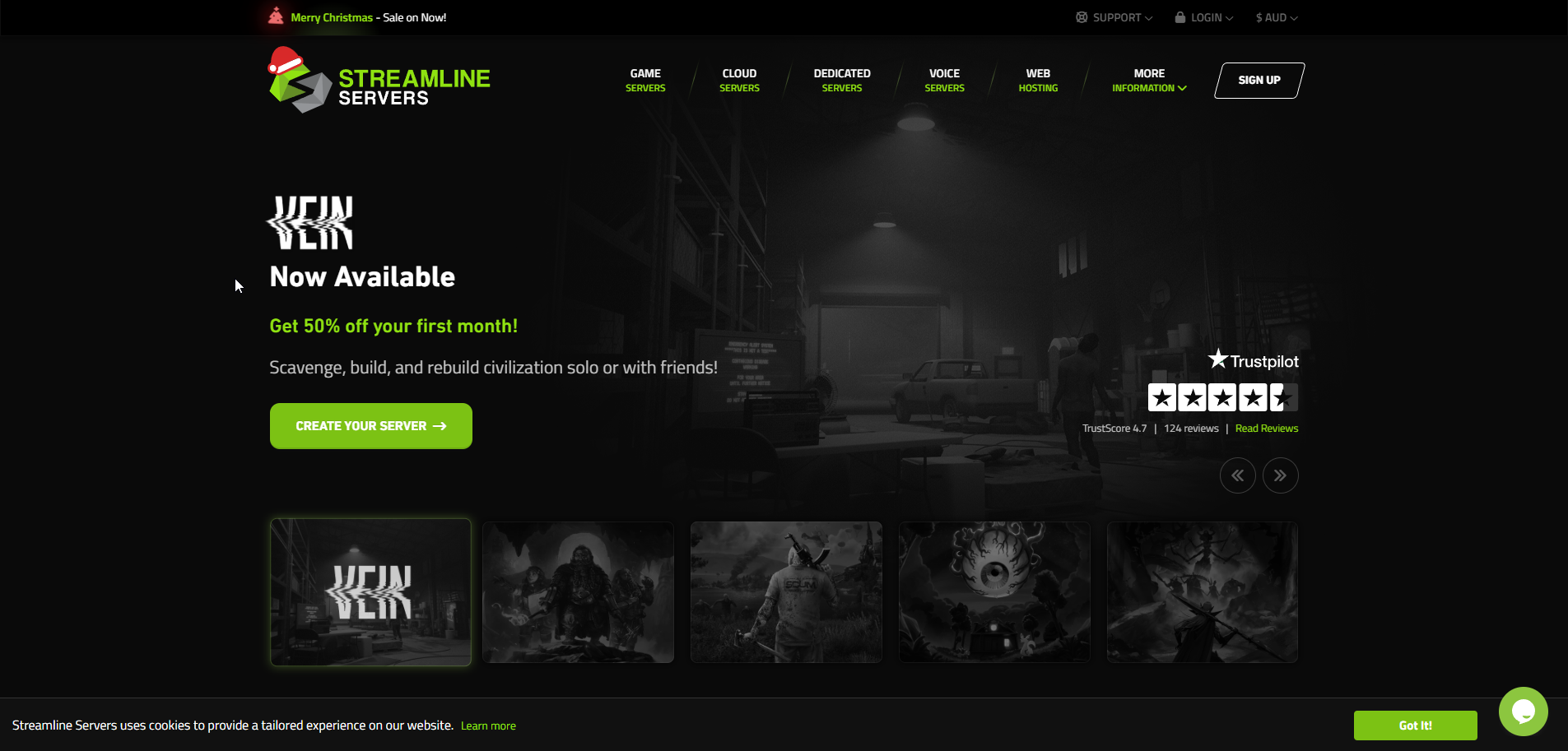
8. Streamline Servers
Streamline Servers focuses on gaming-optimised hosting with solid networking, but pricing is higher than average.
Pros
- Gaming-focused infrastructure
- Good performance
- Experienced support team
Cons
- Higher pricing
- Limited flexibility
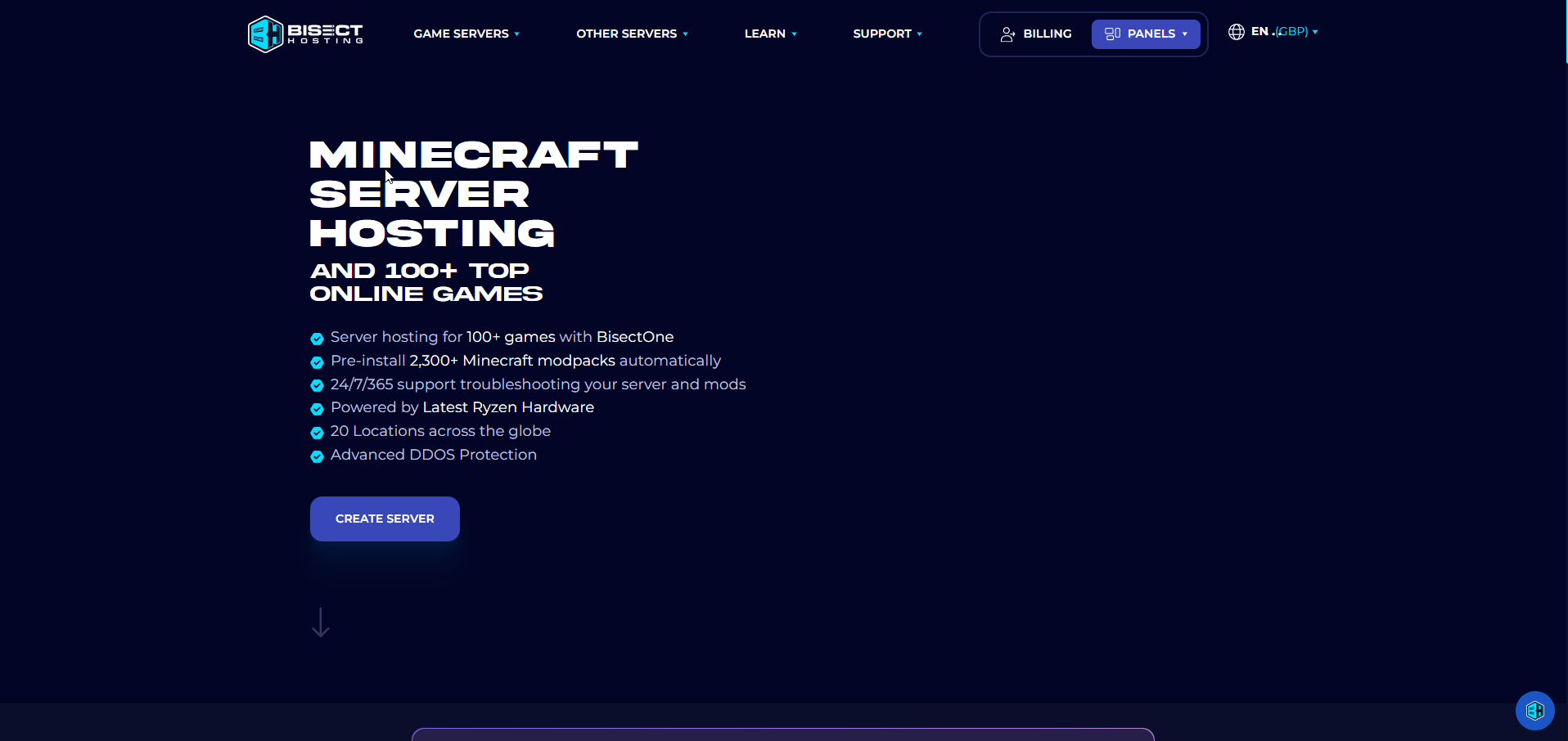
9. BisectHosting
Best known for Minecraft, BisectHosting does offer 7 Days to Die servers, but the platform is clearly not survival-focused.
Pros
- Reliable performance
- 24/7 support
- Clean UI
Cons
- Higher pricing
- Minecraft-centric ecosystem
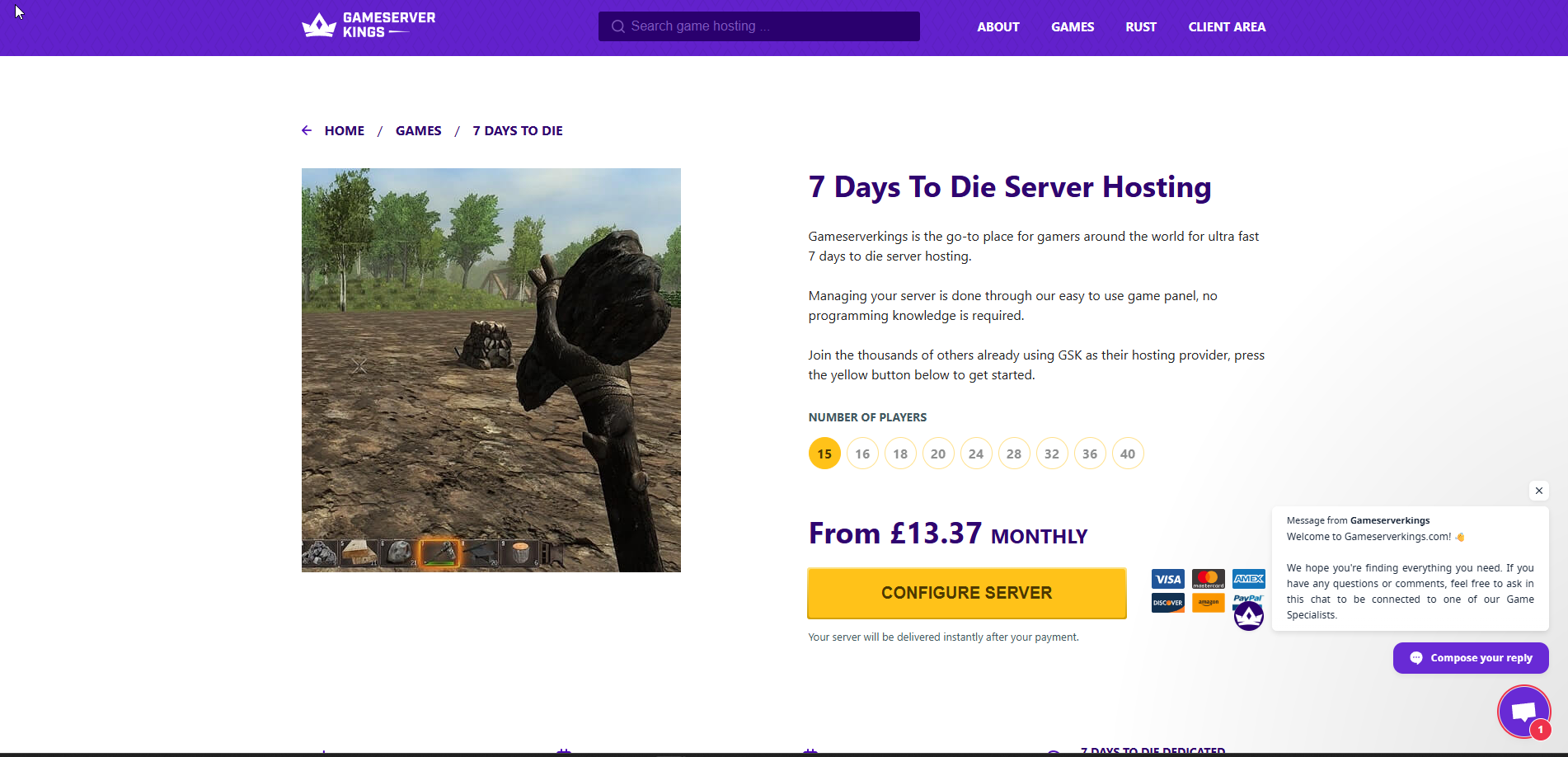
10. GameserverKings
GameserverKings markets aggressive DDoS protection and low pricing, though recent reviews are mixed.
Pros
- Strong DDoS mitigation
- Competitive pricing
- Good uptime
Cons
- Limited locations
- Inconsistent performance reports / a lot of recent negative reviews
11. Glitch Servers
A beginner-friendly option with easy setup, limited online information / is a fairly unknown company.
Pros
- Simple setup
- Budget pricing
- Good for small groups
Cons
- Limited locations
- Smaller / less known company
12. Self-Hosting (Dedicated Server or Home Server)
Self-hosting can offer maximum control, but requires networking, security, and maintenance expertise. Power costs, bandwidth limits, and DDoS risk make this impractical for most players.
Frequently Asked Questions (FAQ)
What is the best 7 Days to Die server hosting provider in 2026?
For overall performance, reliability, and mod support, EUGameHost is the strongest option. UK-based players may prefer UKGameHost for lower latency.
How much RAM do I need for a 7 Days to Die server?
- 2–4 players: 4 GB RAM
- 5–10 players: 6–8 GB RAM
- 10–20 players with mods: 10–12 GB RAM
CPU speed matters more than raw RAM.
Why does Horde Night lag so much?
Horde Night is extremely CPU-intensive. Low clock speeds or oversold cores cause tick lag and rubber-banding.
Can I run mods on hosted servers?
Yes, as long as the provider allows full file and XML access. EUGameHost and UKGameHost support full modding.
Is DDoS protection necessary?
If your server is public, absolutely. Even small servers are frequent targets.
Is self-hosting cheaper?
Short term, maybe. Long term, power costs, bandwidth limits, and downtime usually make hosted servers cheaper and easier.
What CPU is best for 7 Days to Die?
High-clock Ryzen CPUs outperform higher-core, lower-clock chips. Single-thread speed is critical.
Final Verdict
In 2026, 7 Days to Die server hosting is no longer forgiving of cheap infrastructure. Performance, stability, and mod support depend on proper hardware and sensible resource allocation.
- Best Overall: EUGameHost
- Best UK-Focused: UKGameHost
Most other providers are acceptable for casual play but struggle under real survival workloads.
If you want your server to survive Horde Night, your hosting needs to survive it too. To view all avaliable game servers visit EUGameHost.com