
IPv6 Game Hosting: Are We There Yet?
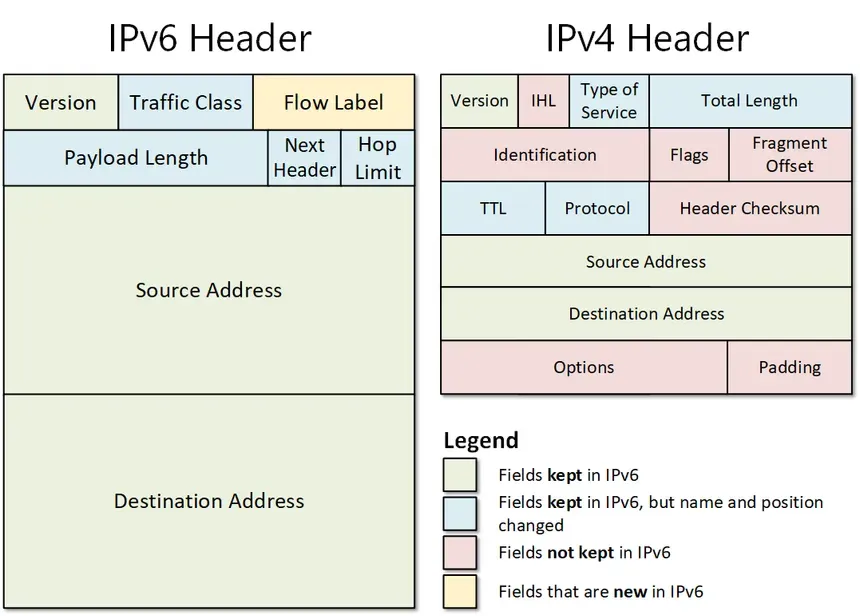
With the exhaustion of IPv4 space, the internet is slowly moving toward IPv6. But when it comes to game hosting, support for IPv6 remains inconsistent and often misunderstood. This guide explores where things stand today, what you can (and can't) do with IPv6, and whether it's ready for prime time in the game server world.
What Is IPv6?
IPv6 is the successor to IPv4 — the familiar dotted decimal IP address system (e.g. 192.168.1.1). IPv6 addresses are 128-bit and look like this:
2001:0db8:85a3:0000:0000:8a2e:0370:7334With over 340 undecillion possible addresses, IPv6 solves the address exhaustion problem. It also includes improvements like simplified headers, mandatory support for IPsec, and better routing efficiency.
Do Game Servers Support IPv6?
The answer: not many. Most popular game servers and engines still use IPv4 exclusively.
IPv6 Support by Example:
- Minecraft Java Edition — IPv4 only
- FiveM / RedM — IPv4 only
- ARK: Survival Evolved — IPv4 only
- Valheim — IPv4 only
- Counter-Strike 2 — Mixed reports, but IPv4 is default and dominant
- Source Engine (CS:GO, TF2) — IPv4 only
- Unreal Engine — Some versions of UE4/5 support IPv6 internally but require manual implementation
IPv6 support depends heavily on engine-level support and whether developers have enabled dual-stack (IPv4 + IPv6) bindings in the netcode.
The Challenges
1. Lack of Client Support
Even if your server supports IPv6, most clients connect over IPv4. Until client software prefers or supports IPv6 properly, your dual-stack server won’t see much IPv6 usage.
2. NAT Isn't the Same
NAT is mostly unnecessary in IPv6, but many ISPs and home routers handle IPv6 differently (or poorly). This leads to connectivity issues for clients who aren't properly configured.
3. Firewall Complexity
Most hosts configure firewalls with IPv4 rules. Adding IPv6 means duplicating and testing everything — a potential source of mistakes.
So Should You Bother?
If your game doesn’t support IPv6 natively, the answer is probably: not yet.
That said, if you're hosting:
- Web control panels or APIs — dual-stack IPv4/IPv6 is smart.
- Future-facing apps or game engines — consider enabling IPv6 now to be ready.
Summary
IPv6 is the future of the internet, but game hosting isn’t quite ready to go all-in. While support is growing in some engines, most players and games still rely entirely on IPv4. Until wider adoption happens at the client and game engine levels, IPv6 remains optional for most game server setups — but worth preparing for.